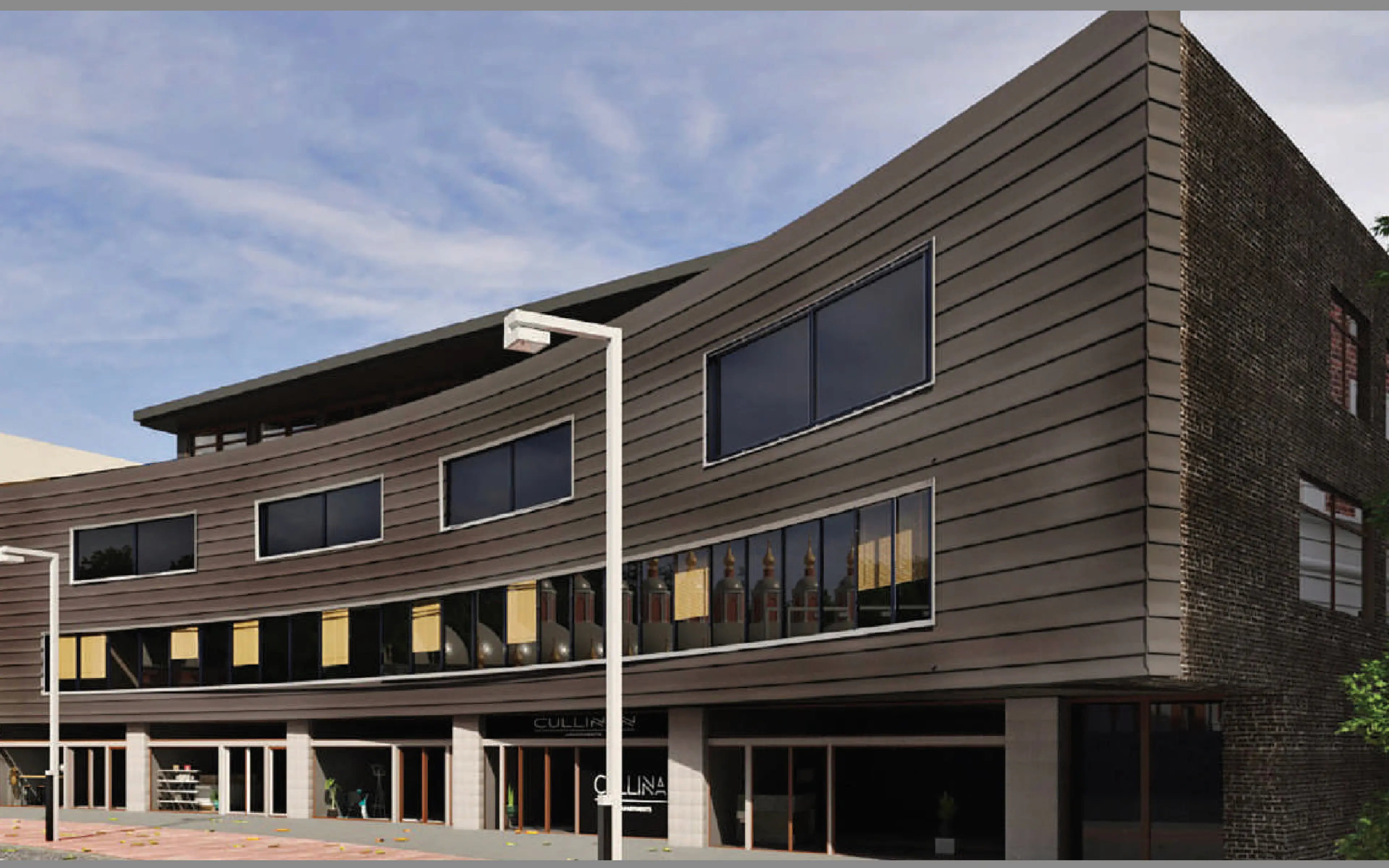
De Esch, 2027
2027
De Esch
Location
Rotterdam
Size
±45,000 m²
Type
Area Development
Conversion of the shopping center into a complete new zoning with additional, substantial residential apartments.
Het Koelhuis
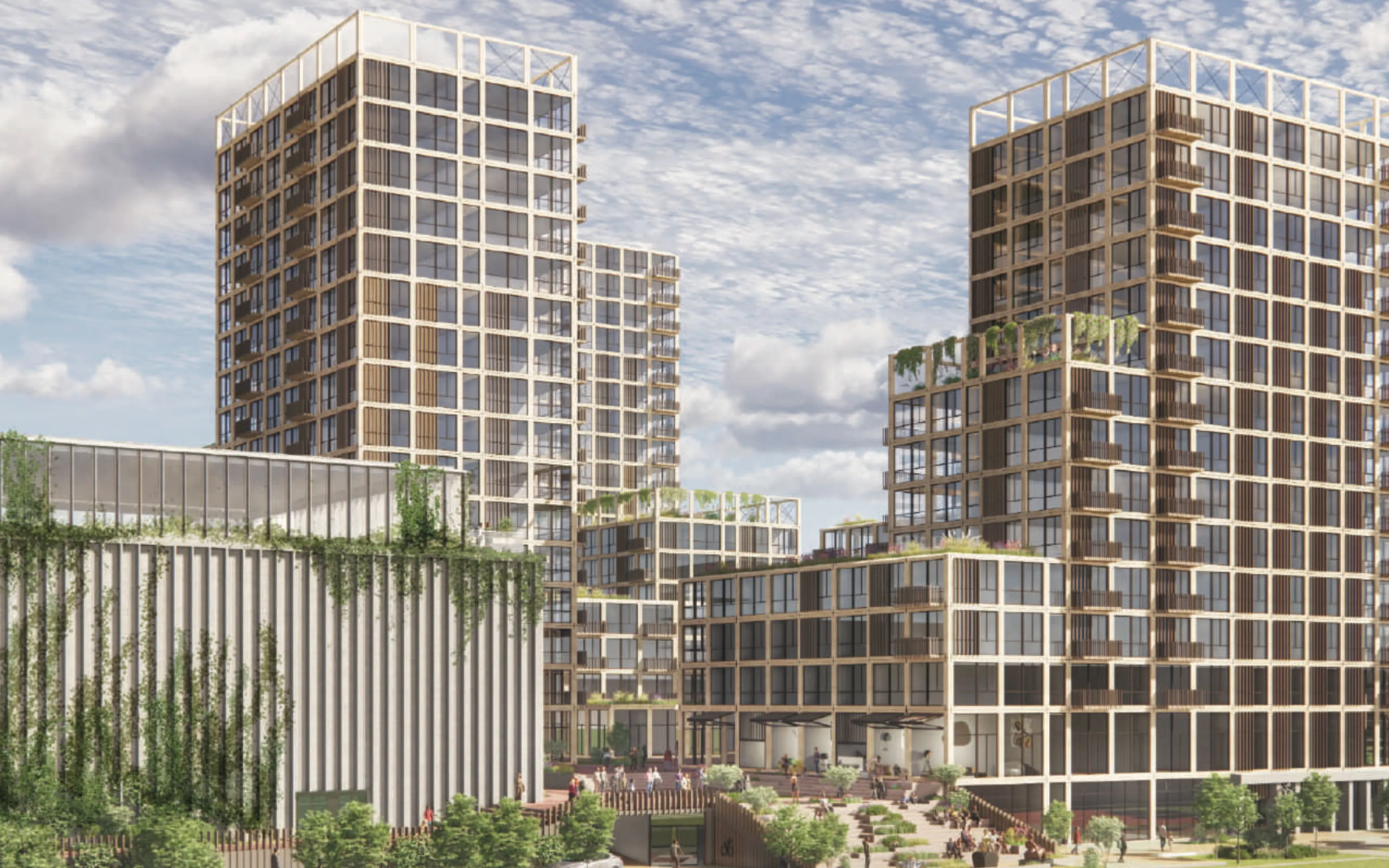
A new hub for culture, creativity, and connection, Koelhuis District is transforming a historic cold storage building into the beating heart of Eindhoven’s evolving cityscape.
our story
Key Milestones in Redevelopment
Our journey
1960s - 1980s
1960s - 1980s
2019
2019
2021
2021
2023
2023
2024 - 2027
2024 - 2027
Industrial and logistics zone built along the Maas.
Municipality initiates study for mixed-use redevelopment.
Bakkers | Hommen enters as developer and stakeholder.
Partnership framework with city and housing corporations signed.
Phased construction of residential blocks and public spaces.
Gallery
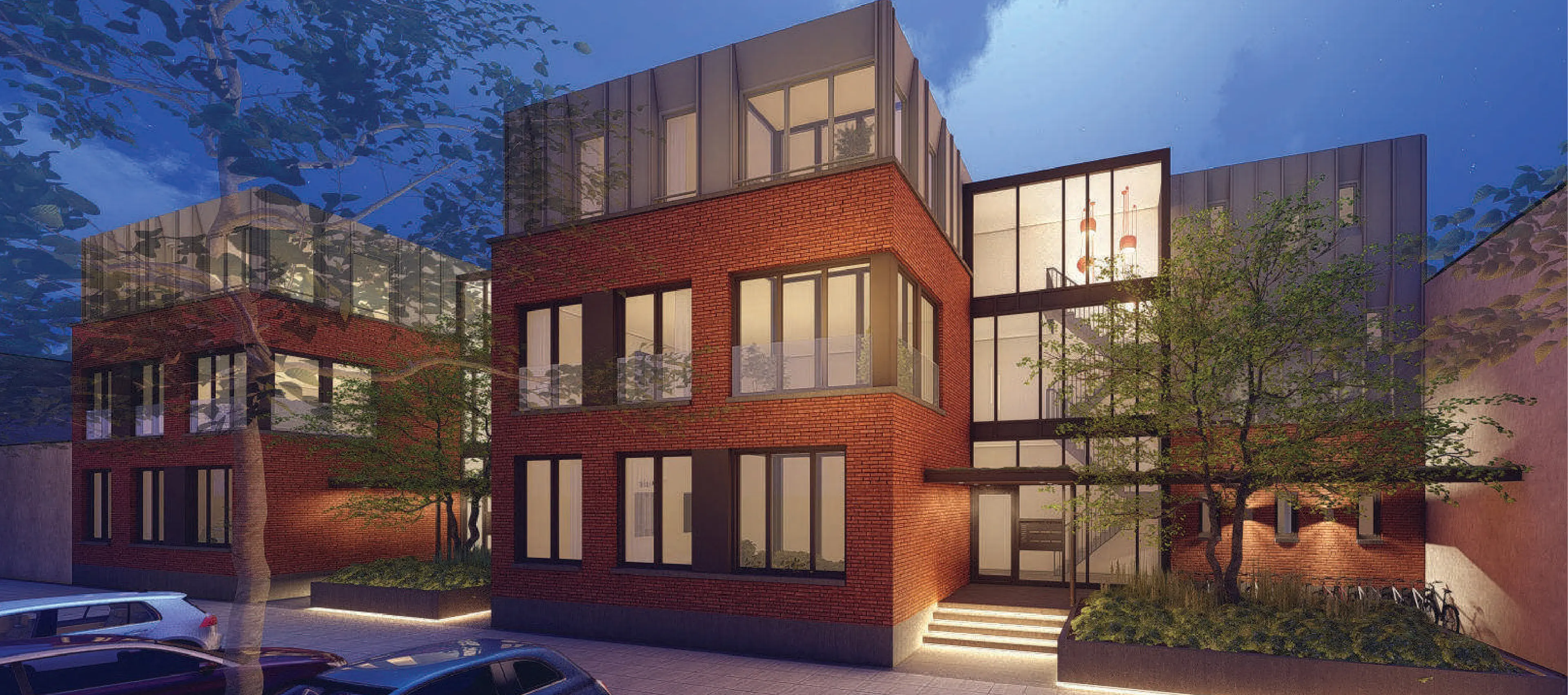
Statistics
De Esch by the Numbers
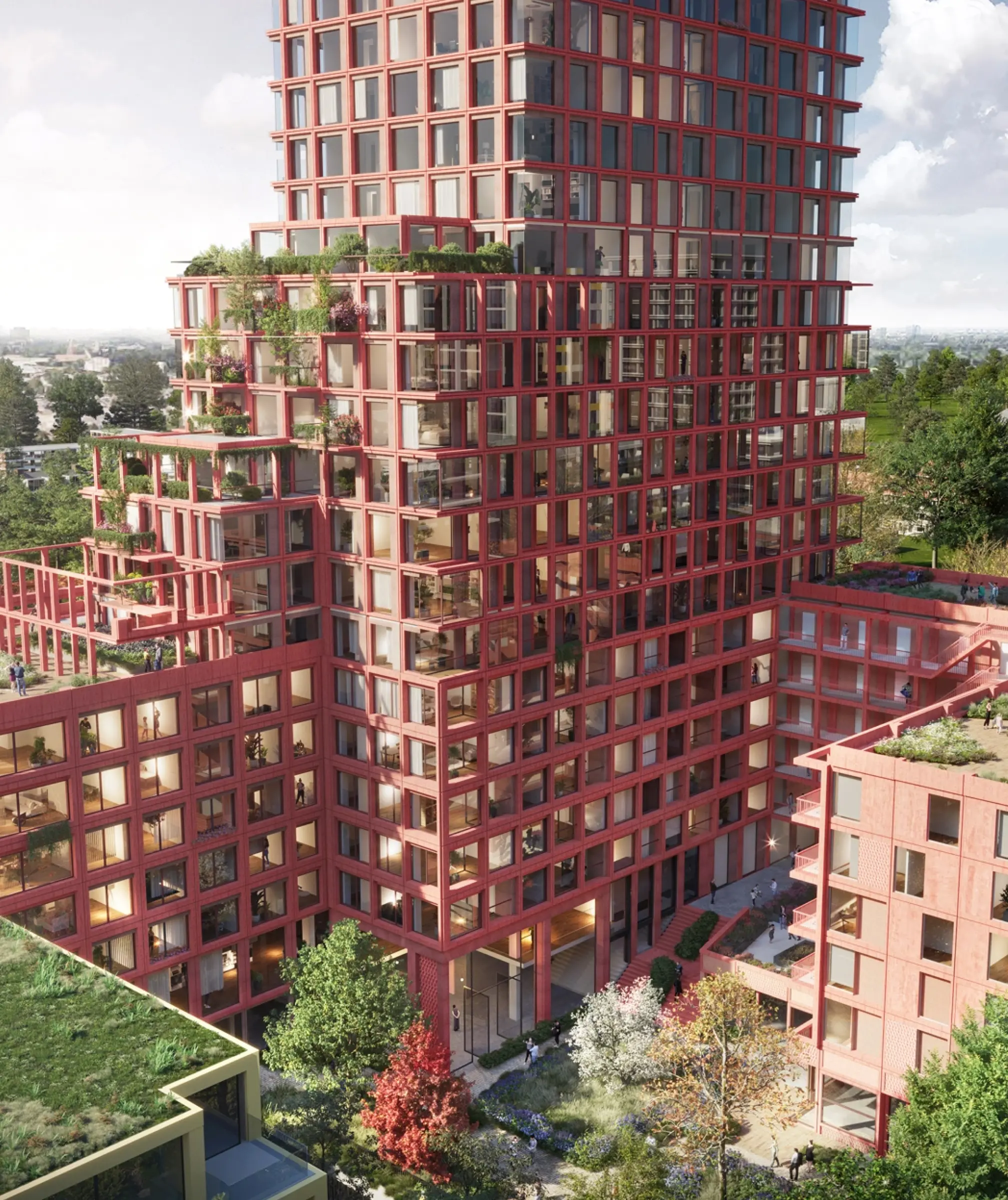
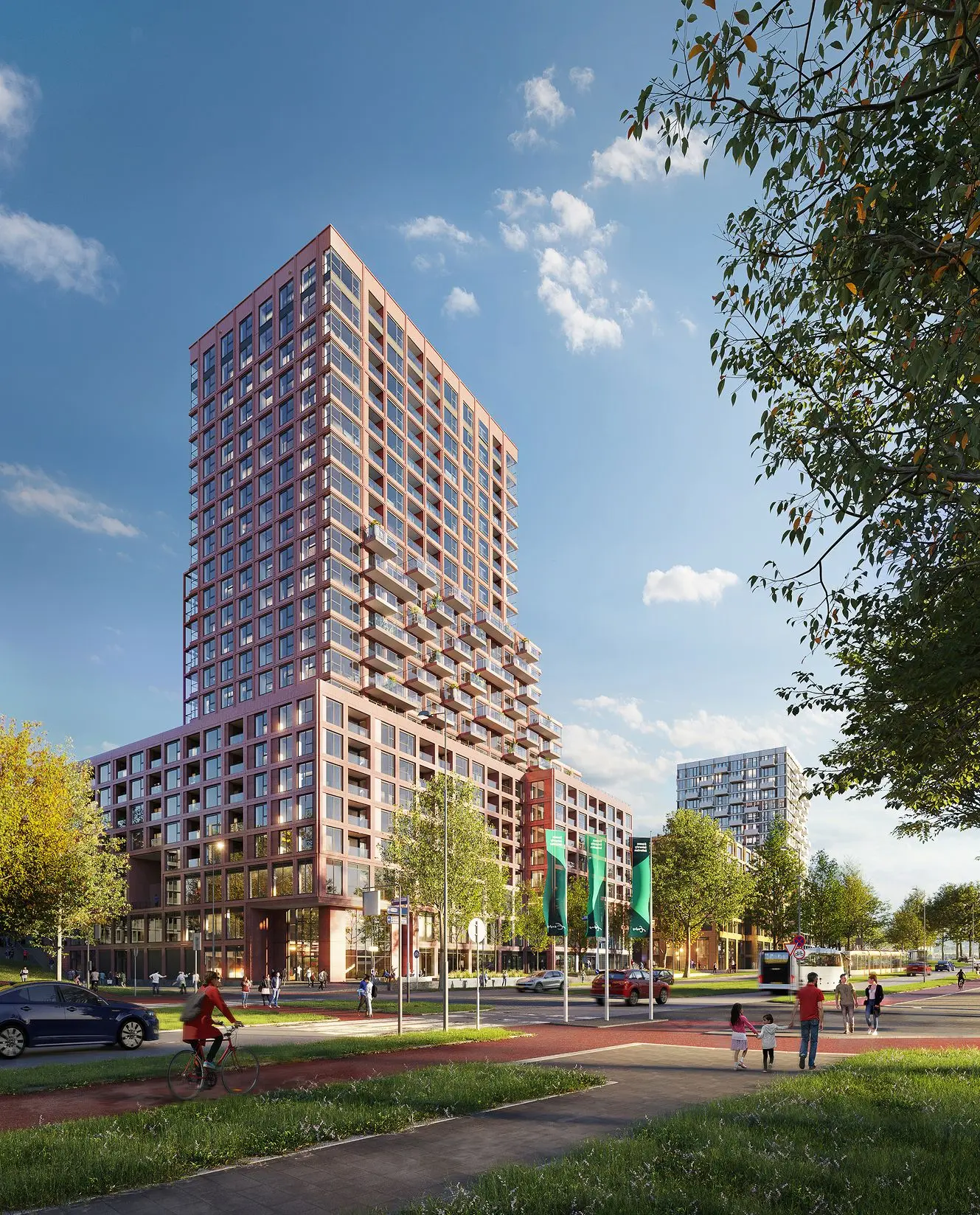
Transforming Rotterdam’s river edge into a living, green neighbourhood.
Total redevelopment area (m2)
45K Total redevelopment area (m2)
INVESTMENT VALUE (€)
80M INVESTMENT VALUE (€)
Active Residents
1+K Active Residents
Challenge
Balancing Flood Resilience with Urban Livability
De Esch’s low-lying location posed technical and social challenges. The task was to design a district that could withstand climate pressures while remaining vibrant, affordable, and attractive to residents and visitors alike.
Approach
Designing a District for the Next Century
Bakkers | Hommen adopted a “build-with-nature” strategy — elevating housing clusters and integrating adaptive landscapes that absorb water and enhance biodiversity. Public-private collaboration ensures economic viability and environmental resilience.
impact
A Living Model for Resilient Waterfront Urbanism
De Esch sets a new benchmark for coastal cities worldwide — proving that sustainable design and urban life can coexist along the water’s edge.
Social Impact
Environmental Impact
Economic Impact